
Eye plastic and reconstructive surgery
Restoring how the eyelids and tear passages work.
Care for the eyelids, tear passages and the area around the eyes when they are not working or positioned as they should.
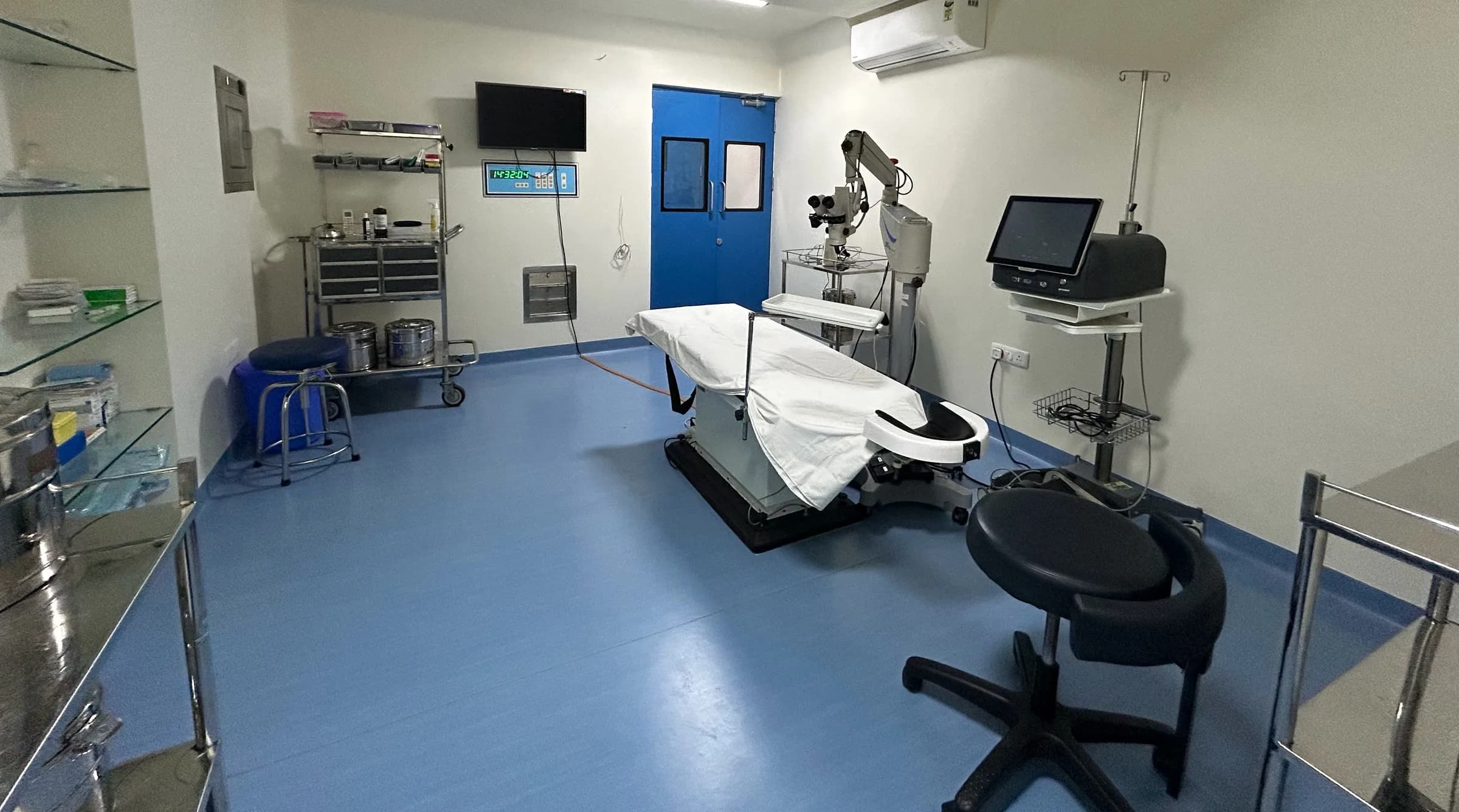
Oculoplasty & Eye-Area Care
What reconstructive oculoplasty looks after
Oculoplasty is the specialty that looks after the eyelids, the tear drainage system and the bony socket (orbit) around the eye. Reconstructive oculoplasty focuses on how these structures work and feel, and on restoring a normal position and shape where something has changed.
Conditions that may be assessed include a drooping upper eyelid (ptosis), eyelids that turn in or out, and watering eyes caused by blocked tear passages. The doctor confirms what can be treated at the centre after examining you, and will say if care elsewhere would suit you better.
In plain words
Terms you may hear
Oculoplasty uses some unfamiliar words. These are the common ones. The doctor explains any others.
- Ptosis
- An upper eyelid that sits lower than normal.
- Entropion
- An eyelid that turns inwards, so the lashes rub the eye.
- Ectropion
- An eyelid that turns outwards, away from the eye.
- Epiphora
- Watering of the eye, often because tears are not draining as they should.
- Tear-duct blockage
- A narrowing or block in the channel that drains tears from the eye into the nose.
- Orbit
- The bony socket that holds the eye.
See it explained
How tears drain, and what a blockage can mean
Choose a part to see what it does, and switch to see what happens when the passage is blocked.
Tears are made, spread across the eye, and drain through the puncta, canaliculi, sac and duct into the nose.
Tear sac
A small pouch that collects the tears.
Watering can come from dryness or irritation, infection, or a blocked tear-drainage passage, among other causes, so it needs to be examined.
See it explained
When an eyelid turns inwards or outwards
Two ways a lid can sit wrongly, beside a typical lid, shown in section.
A typical lower eyelid
The edge of the lid rests against the eye, and the lashes point away from it.
Know the signs
Reasons to have it checked
- Eyes that water all the time
- An eyelid that droops or sits lower than the other
- Eyelashes that rub against the eye, or an eyelid that turns outwards
- A lump on or near an eyelid that is growing or changing
- Irritation or discomfort around the eyelids that does not settle
After an eye injury, or if you notice double vision or a change in how the eye sits, seek urgent medical help.
What to expect
What an assessment involves
A general outline. The doctor explains each step.
Examination
The eyelids, the tear passages and the eyes are examined to find the cause of the problem.
Explanation
The doctor explains what is happening and what could help.
Options and risks
Treatment options, where there are any, are discussed together with their risks and limits.
Your decision
You decide at your own pace.
Aftercare and review
The centre explains aftercare and when you will be reviewed.
Watch
Videos on this topic
Dr. Poonam Jain's centre shares short videos on its YouTube channel and in its own footage.
Videos are general information, not a substitute for an examination. They complement the written information on this page.
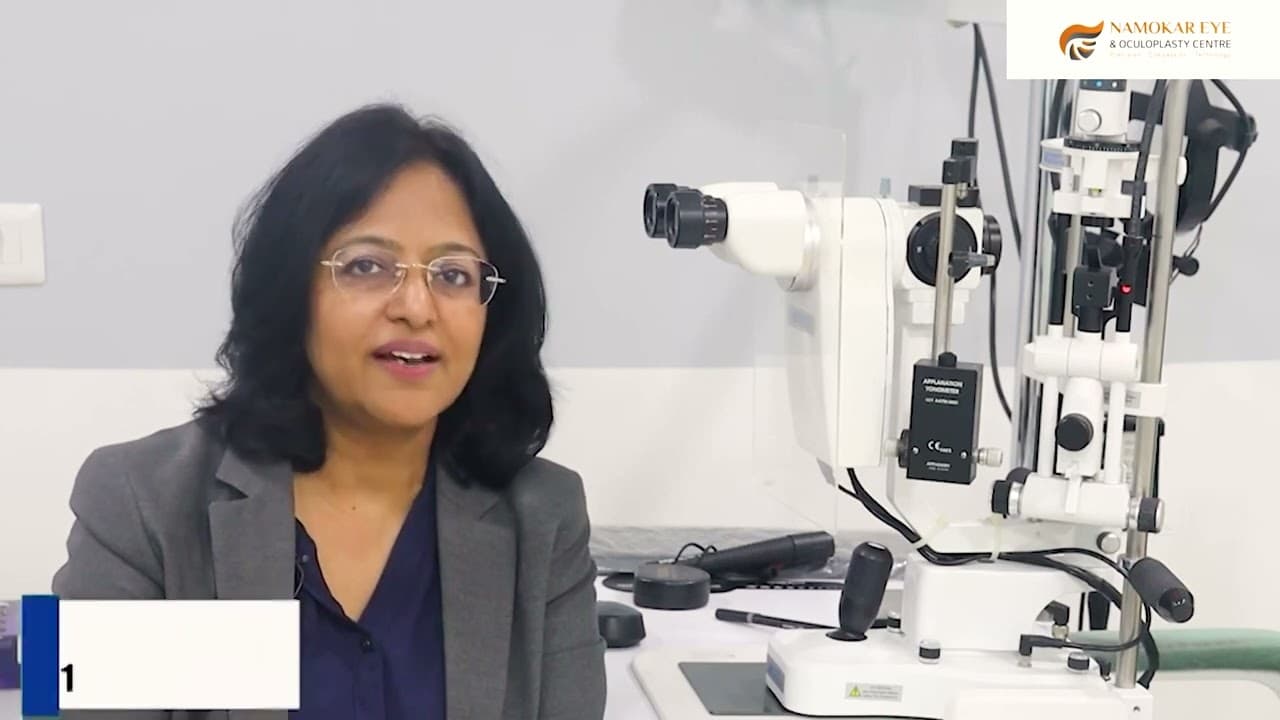
This video may show an eye procedure. Press Play only if you are comfortable.
Pressing play loads YouTube's player (privacy-enhanced mode). Watch on YouTube (opens in a new tab)
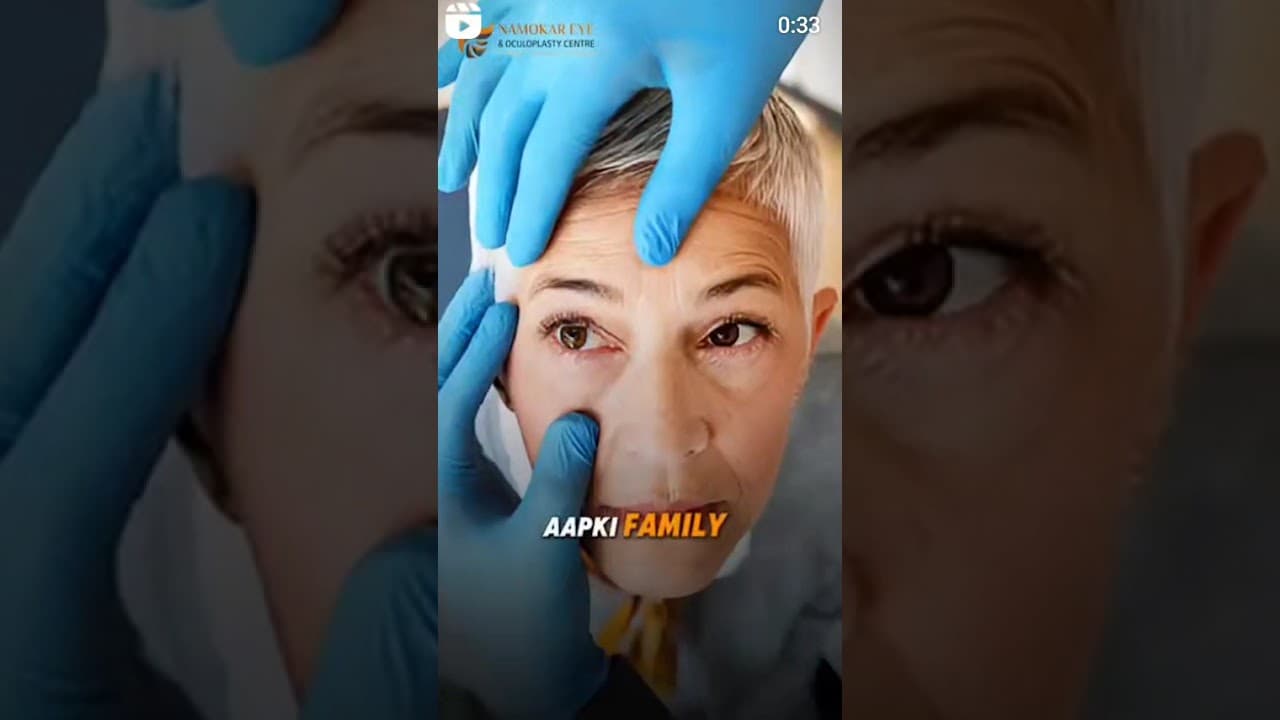
Pressing play loads YouTube's player (privacy-enhanced mode). Watch on YouTube (opens in a new tab)
Common questions
Questions patients often ask
This page is general information, not medical advice. Your own eyes need to be examined before anyone can advise you.
What is ptosis?
Ptosis means the upper eyelid sits lower than normal. It can be present from birth or develop later, and it can sometimes affect vision. An examination is needed to find the cause.
Why do my eyes keep watering?
Watering can come from dryness or irritation, infection, or blocked tear drainage, among other causes. Treatment depends on the cause, so persistent watering should be examined.
Is this surgery cosmetic?
Reconstructive oculoplasty focuses mainly on function and comfort. Appearance often improves as well, but that is not its only purpose.
Which conditions are treated at the centre?
The centre confirms what it treats at the consultation. This page lists general areas of assessment only.
Speak to the centre about your eyes.
Contact the centre to plan your visit or arrange an eye consultation.
13A, Pocket A, Phase 3, Ashok Vihar, Delhi 110052